

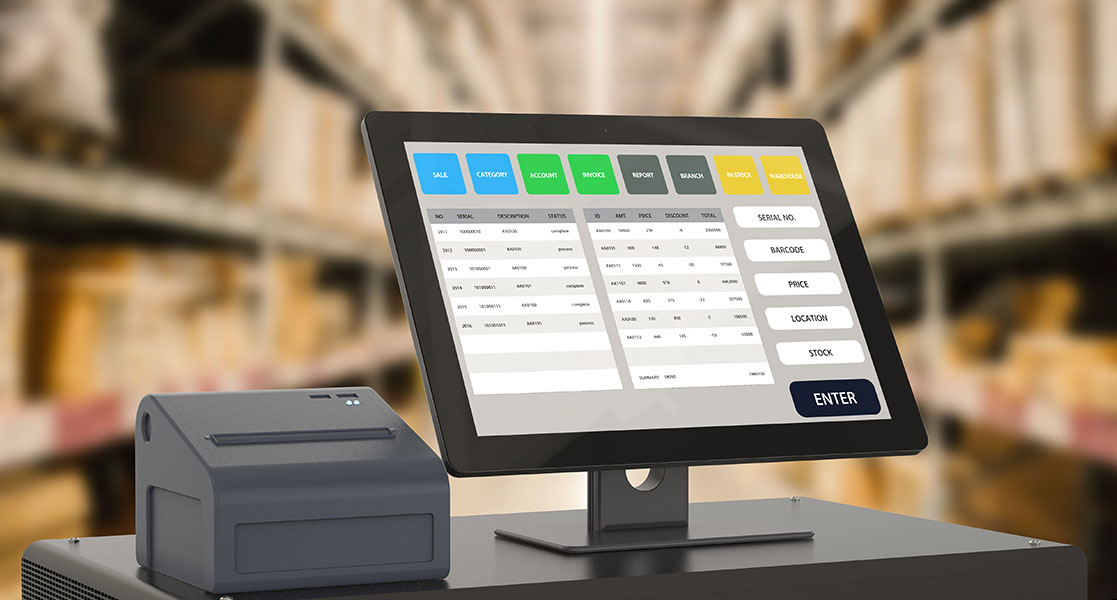
Running a retail business in Ghana is not as simple as it used to be. Whether you own a provision shop, boutique, supermarket, or electronics store, you are expected to keep accurate sales records, manage stock properly, and serve customers quickly. Yet many businesses still rely on notebooks, mental calculations, or manual stock counting to run daily operations.
While this approach may work at a very small scale, it often creates serious problems as the business grows. This is why more Ghanaian retailers are turning to POS software to modernize how they operate.
In this article, we’ll explain what POS software is, how it works in a retail environment, and why it has become essential for retail shops in Ghana today.
What Is POS Software?
POS software, short for Point of Sale software, is a digital system that helps businesses record sales, manage inventory, track payments, and monitor overall performance. It replaces manual sales books and calculators with a centralized system that captures every transaction automatically.
When a sale is made using POS software, the system records the item sold, updates stock levels, calculates totals, and stores the transaction securely. Over time, this data is used to generate reports that help business owners understand how their shop is performing.
For Ghanaian retail shops, POS software acts as the control center of the business, bringing together sales, inventory, staff activity, and reporting in one place.
How Most Retail Shops in Ghana Operate Without POS Software
Many retail shops across Ghana still operate using manual methods. Sales are written in notebooks, stock levels are estimated by sight, and profit is calculated at the end of the day based on guesswork. While this system feels familiar, it comes with hidden risks that can quietly hurt a business over time.
Shop owners often struggle to know their exact daily sales figures, which products sell the most, or whether staff are recording sales accurately. Stock shortages and overstocking are common, and losses due to theft or expired products are difficult to track.
According to global retail and SME digitalization studies, businesses that rely heavily on manual record-keeping face higher risks of human error and inventory shrinkage, especially in cash-based environments like retail shops (World Bank SME digitalization insights).
Why POS Software Is Important for Retail Businesses in Ghana
1. Better Control Over Daily Sales
One of the most important benefits of POS software is accurate sales tracking. Every transaction is recorded automatically, removing the need for manual entries or end-of-day guessing. Business owners can clearly see how much was sold today, yesterday, or over any period of time.
This visibility makes it easier to plan expenses, monitor performance, and understand customer buying patterns. With systems like Flow POS, sales data is available in real time, giving shop owners confidence in their numbers and peace of mind.
👉 Internal link: Flow POS Sales Tracking Features
2. Improved Inventory Management
Inventory management remains one of the biggest challenges for retail shops in Ghana. Without a proper system, businesses often run out of fast-moving products or tie up money in slow-moving stock.
POS software automatically updates inventory whenever a sale is made. This allows shop owners to know what is available, what needs restocking, and which products are not selling well. Over time, this reduces waste, prevents losses, and improves overall cash flow.
👉 Internal link: Inventory Management with Flow POS
3. Faster Checkout and Better Customer Experience
Customers do not enjoy long queues, especially in busy retail areas. POS software speeds up checkout by reducing manual calculations and minimizing errors during transactions.
When sales are processed quickly and receipts are issued accurately, customers are served faster and leave with a better impression of the business. This improves customer satisfaction and increases the chances of repeat visits.
4. Support for Modern Payment Methods in Ghana
Payment behavior in Ghana has changed significantly over the years. Many customers now prefer Mobile Money (MoMo) and other digital payment options over cash.
POS software helps retailers properly record these payments, reducing confusion and ensuring accurate financial records. This aligns with Ghana’s broader move toward digital payments, supported by initiatives from the Bank of Ghana and financial inclusion programs.
5. Clear Reports for Smarter Business Decisions
POS software generates simple but powerful reports that show sales trends, product performance, and overall business health. Instead of relying on intuition, shop owners can use real data to guide decisions.
These insights help businesses identify profitable products, understand peak sales periods, and make smarter pricing or restocking decisions. For growing retail shops, this clarity is critical.
Is POS Software Only for Big Shops?
A common misconception is that POS software is only meant for large supermarkets or chain stores. In reality, small and medium-sized retail shops benefit just as much, if not more.
Modern systems like Flow POS are designed to be affordable, easy to use, and scalable. A small shop can start with basic features and gradually expand its usage as the business grows, without needing to change systems.
👉 Internal link: Industries That Use Flow POS
Why More Ghanaian Retailers Are Adopting POS Software
Retail competition in cities such as Accra, Kumasi, and Tema continues to increase. Shops that rely solely on manual systems often struggle to keep up with faster, more organized competitors.
POS software helps businesses reduce losses, improve accountability, and operate more professionally. As customer expectations rise, adopting digital tools is no longer optional—it is a competitive advantage.
Conclusion:
POS software is no longer a luxury for retail businesses in Ghana. It is a practical tool that helps shop owners gain control, reduce errors, and grow sustainably.
By moving away from manual records and adopting a digital POS system, retailers can operate more efficiently, make better decisions, and prepare their businesses for long-term success. Choosing a POS system built specifically for Ghanaian businesses ensures better alignment with local needs and payment methods.
👉 Internal link: Explore Flow POS for Ghanaian Retailers